
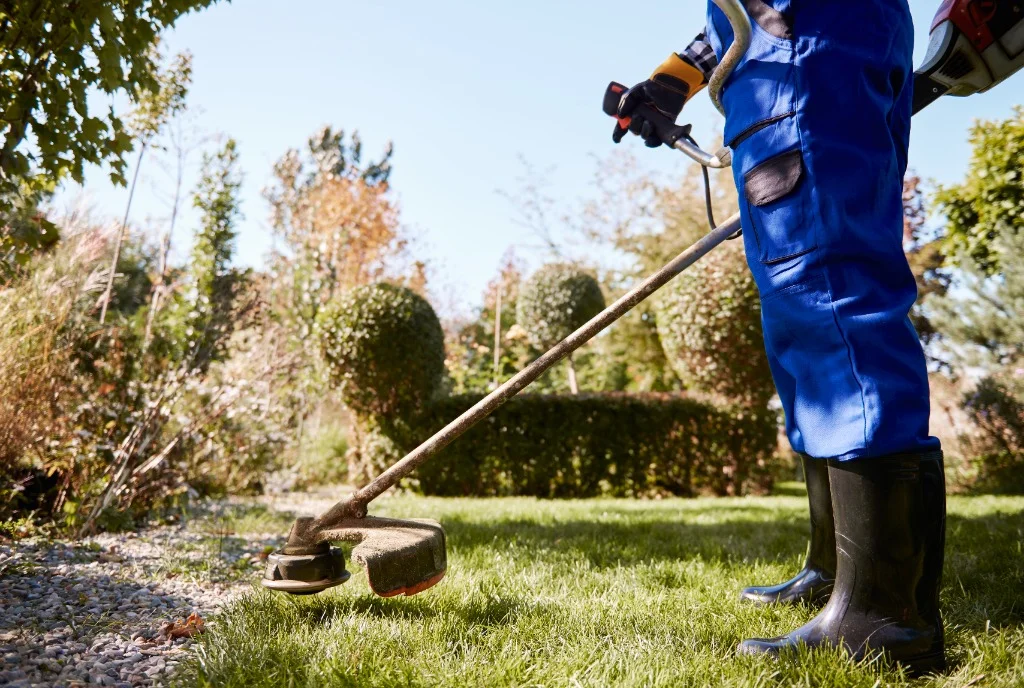
Commercial landscaping has to survive real conditions - Brisbane heat, extended dry spells, and irrigation budgets that rarely stretch as far as facility managers would like. Gardens designed around species that struggle in these conditions end up requiring constant intervention just to look presentable, which drives up both cost and staff time.
Commercial garden maintenance built around genuinely low-maintenance design principles achieves premium curb appeal without the ongoing irrigation and intervention costs that poorly matched planting requires.
This guide covers 7 design principles for low-maintenance commercial gardens that stay neat year-round.
1. Select Native Species Matched to Local Conditions
Hardy Australian native plants are adapted to exactly the conditions commercial sites need to withstand - heat, variable rainfall, and local soil types. Non-native species that require constant supplemental care create an ongoing maintenance burden that native alternatives simply don't.
Native species selection benefits include:
- Reduced water requirements once established
- Natural adaptation to regional soil composition
- Greater resistance to local pest pressure
- Lower fertiliser dependency compared to non-native alternatives
- Genuine year-round hardiness through Brisbane's seasonal extremes
Facilities that prioritise native species in landscape design consistently report lower irrigation and intervention costs than sites planted with non-native, high-maintenance species.
2. Apply Organic Mulch to Reduce Water Loss and Weed Pressure
Bare soil around garden beds loses moisture quickly and provides ideal conditions for weed establishment. A consistent layer of organic mulch addresses both issues simultaneously, while also creating a clean, defined visual border that improves overall site presentation.
Mulching best practices include:
- Consistent depth application across garden bed surfaces
- Organic material selection appropriate to plant types
- Regular topping-up as mulch breaks down over time
- Clean edge definition around lawns and pathways
- Avoiding mulch contact directly against plant stems
Well-maintained mulch coverage keeps soil moisture more consistent between watering cycles, directly reducing irrigation frequency requirements.
3. Establish Routine Weed Control Before Beds Become Overrun
Weeds compete directly with intended plantings for water, nutrients, and space, and left unchecked, they quickly undermine even a well-designed low-maintenance garden. Routine, scheduled weed control prevents this competition from establishing in the first place.
Effective weed control includes:
- Regular inspection of path edges and garden bed boundaries
- Early removal before weeds establish deep root systems
- Weed control services scheduled proactively rather than reactively
- Attention to boundary zones where weeds most commonly establish
- Coordination between weed control and mulch maintenance cycles
Consistent weed management protects the investment in native planting by ensuring intended species aren't competing against uncontrolled growth for resources.
4. Group Plants by Water Requirement to Simplify Irrigation
Mixed planting beds that combine high-water and low-water species create an irrigation dilemma - watering enough for thirsty plants over-waters drought-tolerant ones, while conservative watering stresses the thirsty species. Grouping plants by water eliminates this conflict entirely.
Water-wise grouping principles include:
- Zoning garden beds by similar water requirement profiles
- Simplified irrigation scheduling matched to zone-specific needs
- Reduced water waste from inappropriate cross-zone watering
- Easier identification of zones needing irrigation adjustment
- More efficient irrigation system design from the outset
This grouping approach, sometimes called hydrozoning, significantly reduces both water waste and the ongoing complexity of managing mixed-need garden beds.
5. Choose Slow-Growing Species to Reduce Pruning Frequency
Fast-growing plants look impressive initially but create an ongoing pruning burden that adds directly to maintenance costs. Slow-growing, naturally well-proportioned species reduce this burden significantly while still delivering strong visual presence over time.
Species selection for reduced pruning includes:
- Naturally compact growth habits requiring minimal shaping
- Slower growth rates reducing pruning frequency requirements
- Species that maintain form without aggressive intervention
- Reduced green waste generation from less frequent pruning
- Lower labour cost across the full maintenance cycle
Facilities that prioritise slow-growing species during initial design significantly reduce ongoing labour costs compared to gardens requiring frequent shaping and pruning.
6. Design Clear Boundaries Between Lawn and Garden Bed Areas
Poorly defined transitions between lawn and garden beds create maintenance friction - grass encroaches into beds, mulch spreads onto lawn areas, and edge maintenance becomes a constant, imprecise task. Clear physical boundaries eliminate this friction.
Boundary design considerations include:
- Physical edging materials separating lawn from garden bed zones
- Consistent boundary lines simplifying mowing and trimming
- Reduced grass encroachment into mulched garden areas
- Cleaner visual definition improving overall site presentation
- Easier maintenance handoff between lawn care and garden bed teams
Well-defined boundaries reduce the time spent on edge maintenance while also improving the overall polished appearance of the landscaped area.
7. Plan Seasonal Adjustments Rather Than a Fixed Year-Round Approach
Even genuinely low-maintenance gardens benefit from seasonal awareness rather than a completely fixed, unchanging maintenance approach. Brisbane's distinct wet and dry seasons create different priorities throughout the year that planning can account for in advance.
Seasonal planning should include:
- Adjusted irrigation frequency between wet and dry season periods
- Seasonal mulch top-up timing aligned with breakdown rates
- Pruning timing matched to species-specific growth cycles
- Weed control frequency adjustments during high-growth periods
- Pre-wet-season inspection of drainage around garden bed areas
Facilities that plan modest seasonal adjustments, rather than applying one fixed approach year-round, maintain more consistent garden presentation with a similar overall labour investment.
Common Mistakes Facilities Make With Low-Maintenance Garden Design
- Selecting non-native species for their initial visual appeal. Attractive but poorly adapted plants often require ongoing intervention that undermines the low-maintenance goal entirely.
- Under-investing in mulch coverage. Bare or thinly mulched soil loses moisture faster and invites weed establishment, increasing both irrigation and weeding demands.
- Mixing high-water and low-water species in the same beds. This creates an unsolvable irrigation compromise that either stresses or over-waters part of the planting.
- Overlooking growth rate when selecting species. Fast-growing plants look good short-term but create a lasting pruning burden that adds up over years.
- Applying a single fixed maintenance approach year-round. Brisbane's seasonal shifts mean irrigation, mulching, and pruning needs change through the year, and ignoring this creates unnecessary inefficiency.
Ready for a Commercial Garden That Stays Neat With Less Upkeep?
Impressive landscaping shouldn't mean constant intervention. Grip Patrols designs and maintains low-maintenance commercial gardens across Queensland using native species, water-wise grouping, and organic mulching that reduce ongoing cost without compromising presentation.