
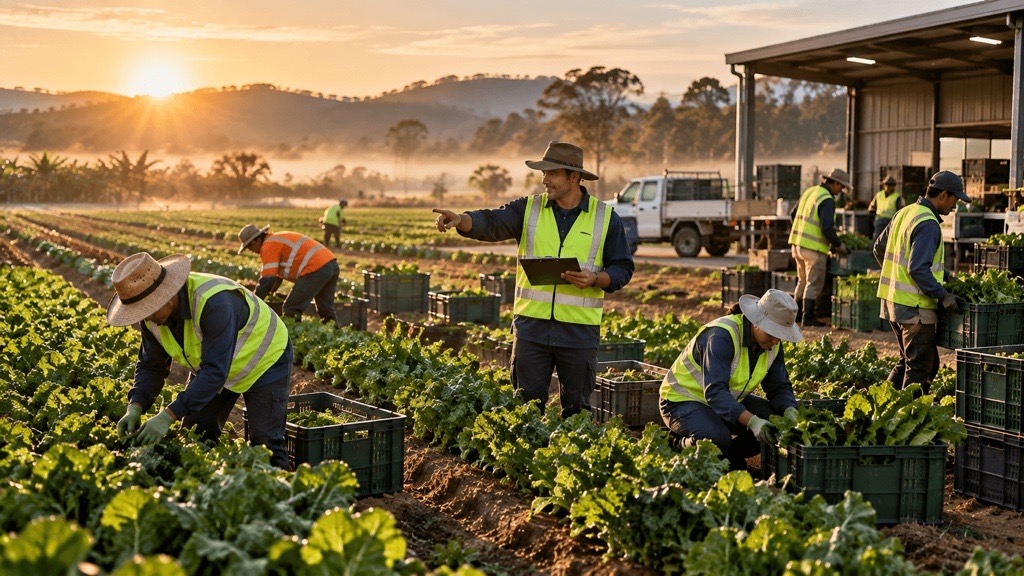
Crops do not wait for a convenient roster. When produce is ready, it needs to be picked, sorted and packed within days, and a shortage of reliable workers can turn a strong season into lost revenue. Growers and packing operators across South East Queensland face this pressure every year, and many solve it by booking flexible labour hire services ahead of the season rather than scrambling for workers at the last minute.
Seasonal work is different from regular staffing. Demand rises sharply, the work is physical and time sensitive, and the people arriving on day one need to be safe, screened and ready to contribute. Getting this right is as much about planning and communication as it is about headcount.
This guide covers seven areas that keep harvest labour organised, compliant and productive, so farms, packing sheds and produce distributors in the region can plan with confidence.
1. Harvest Windows Are Short and Unforgiving
Weather, market timing and crop maturity compress the harvest into a narrow window. A missed week can mean reduced quality, lower prices or product that never leaves the field.
- Picking, sorting and packing all peak at the same time
- Delays in one stage back up the next
- Late labour arrivals cost far more than extra labour ordered early
Understanding how tight the window is helps you decide how much flexibility to build into your workforce plan.
Quality is also at stake. Fruit and vegetables picked late or handled roughly lose value quickly, so having enough trained hands at the right time protects both volume and grade.
2. Workforce Planning Starts Before the Season
The strongest operations plan headcount weeks ahead. Forecast volumes, shift patterns and peak days, then share that picture with your labour provider.
- Expected volumes and start dates
- Shift lengths, break schedules and finish times
- Skills needed, from picking to machine operation to packing
- A backup allowance for absences and weather changes
The earlier your provider sees the forecast, the more likely you are to get consistent, reliable workers instead of whoever is available on the day.
Communicate any changes as soon as you know them. If forecasts shift, a block ripens early or a buyer changes an order, your provider can adjust numbers faster when they hear about it early.
3. Screening and Work Rights Checks Protect the Farm
Every worker on site should have confirmed work rights and verified identity. Skipping this step puts the business at legal and financial risk, and it undermines the reputation of everyone involved.
- Identity and work rights checked before the first shift
- Relevant licences or tickets confirmed for specialist roles
- Reference or background checks where appropriate to the role
A provider that handles screening properly saves you time and reduces your compliance exposure.
Work rights are not something to assume. Confirming them properly protects workers as well as the business, and it means you are not caught out by a compliance issue in the middle of your busiest weeks.
4. Inductions and Safety Briefings Come Before the First Shift
Harvest work involves heat, machinery, uneven ground, manual handling and sometimes chemicals. Under Queensland's Work Health and Safety Act 2011, businesses have duties to protect workers, and short seasonal contracts do not change that.
- Site orientation, emergency points and reporting lines
- Manual handling and safe lifting techniques
- Heat, hydration and sun protection guidance
- Machinery and vehicle safety rules
A short, well run induction on day one prevents injuries and shows workers what good looks like.
Keep induction records. A signed attendance sheet showing who was briefed, when and on what topics is simple to produce and valuable if you ever need to demonstrate that workers were properly prepared.
5. Flexible Numbers Match the Crop
Harvest demand does not follow a straight line. Some days need a full crew and others need a skeleton team. Flexible labour lets you scale up during peaks and down during quiet periods without carrying fixed staffing costs all year.
- Short notice top ups when a block ripens early
- Reduced numbers when weather interrupts
- Scaling across shifts as packing volumes change
This flexibility is a core advantage of labour hire over permanent recruitment for seasonal work.
Flexible arrangements also help with cash flow. Paying for labour only when the crop needs it, rather than carrying a full crew through quiet weeks, keeps costs aligned with actual production.
6. Supervision and Reliable Communication Keep Crews Moving
Even experienced workers need direction. Clear team leaders, simple instructions and dependable communication keep production steady. Office and admin coverage matters too, because rosters, timesheets and supplier calls do not pause during harvest. Our guide on front desk and admin staffing continuity explains how temporary cover protects daily office flow.
- A named team leader for each crew
- Clear start times, transport arrangements and meeting points
- A single contact at your labour provider for changes
Language and experience can differ across a mixed crew, so use simple written instructions, demonstrations and a team leader who can relay information clearly. Small efforts here prevent big mistakes later.
7. Packing Sheds and Dispatch Need Labour Too
The harvest does not end at the paddock. Sorting, packing, palletising and dispatch depend on reliable workers, and this is where many delays happen. Our article on warehouse labour hire and dispatch flow covers how the same principles keep loading and shipping on schedule.
Packing sheds also have offices, dispatch desks and staff amenities that need to stay clean and hygienic during peak volume. Regular commercial office cleaning keeps these spaces sanitary and presentable, and the same provider can also look after shed floors and packing surfaces.
- Packing, sorting and quality check roles
- Forklift and loading support with the correct tickets
- Cleaning and sanitation support between shifts
If you would like to plan seasonal staffing for your operation, send us your harvest forecast and we will help you scope it.
Cold storage, loading bays and dispatch offices all need the right people at the right time. Treat these as part of the same workforce plan rather than separate problems, and delays between paddock and truck become much less likely.
Common Mistakes to Avoid
- Recruiting too late. The best workers and the most reliable crews are committed early, so leaving it late usually means paying more for less.
- Skipping inductions to save time. A rushed start is how injuries and quality problems begin.
- Overlooking heat and hydration. Long hours outdoors in summer need breaks, shade and water planned in advance.
- Having no backup pool. Absences and weather changes are certain, so plan for them.
- Leaving compliance unclear. Confirm who is responsible for screening, pay and safety obligations before workers arrive.
Conclusion
Harvest success depends on people as much as weather. Early planning, proper screening, thorough inductions, flexible numbers, strong supervision and support across packing and dispatch keep a short season productive and safe.
Running a farm, packing shed or produce operation across South East Queensland, including the Brisbane and Gold Coast regions? GRIP Patrols can supply seasonal labour that fits your schedule. Request a quote today and secure your workforce before the harvest begins.